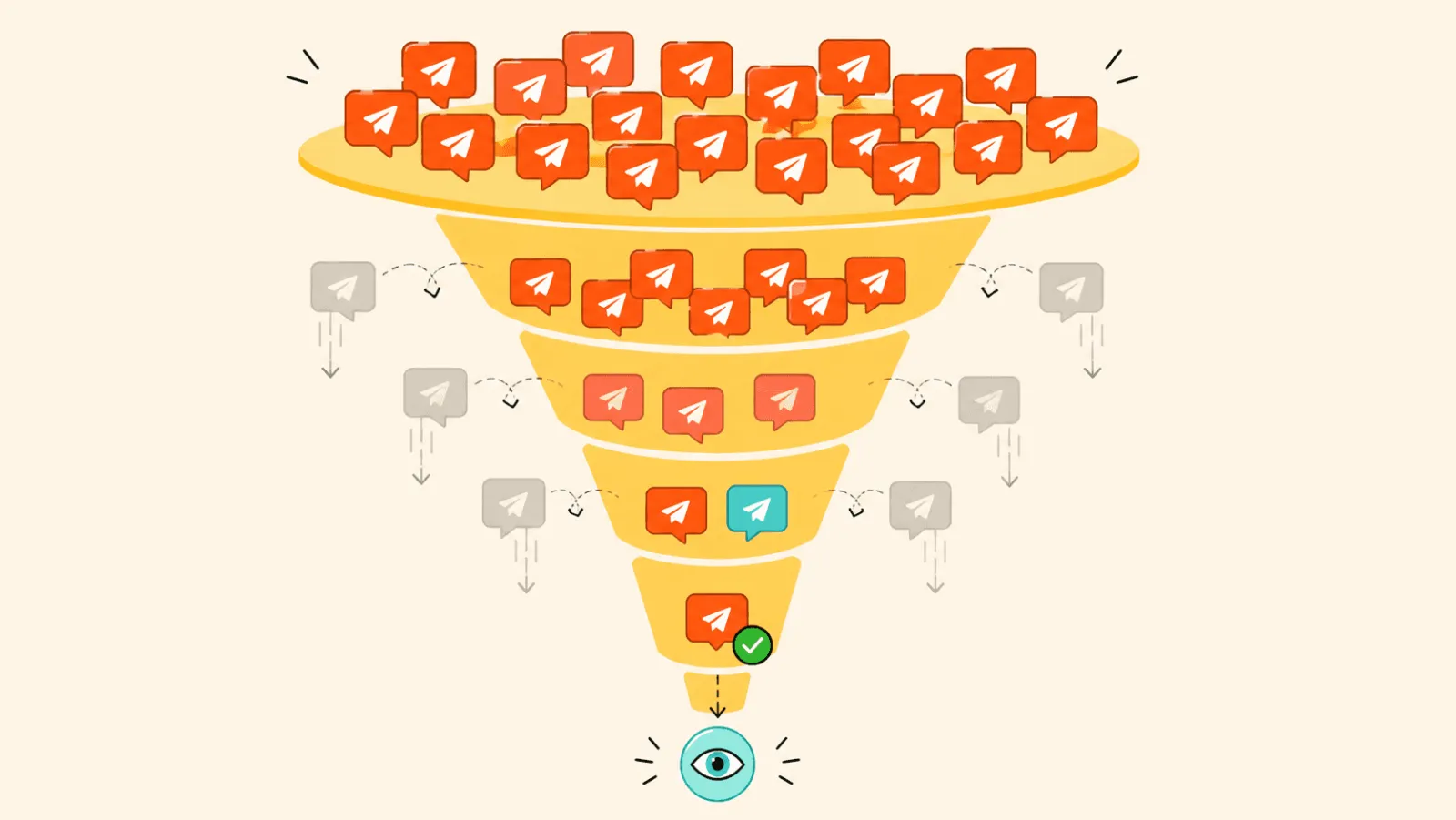
How to Use Email, SMS & Push Notifications Effectively
Learn how to use email, SMS, and push notifications to reach customers, improve engagement, and choose the right channel for your business.
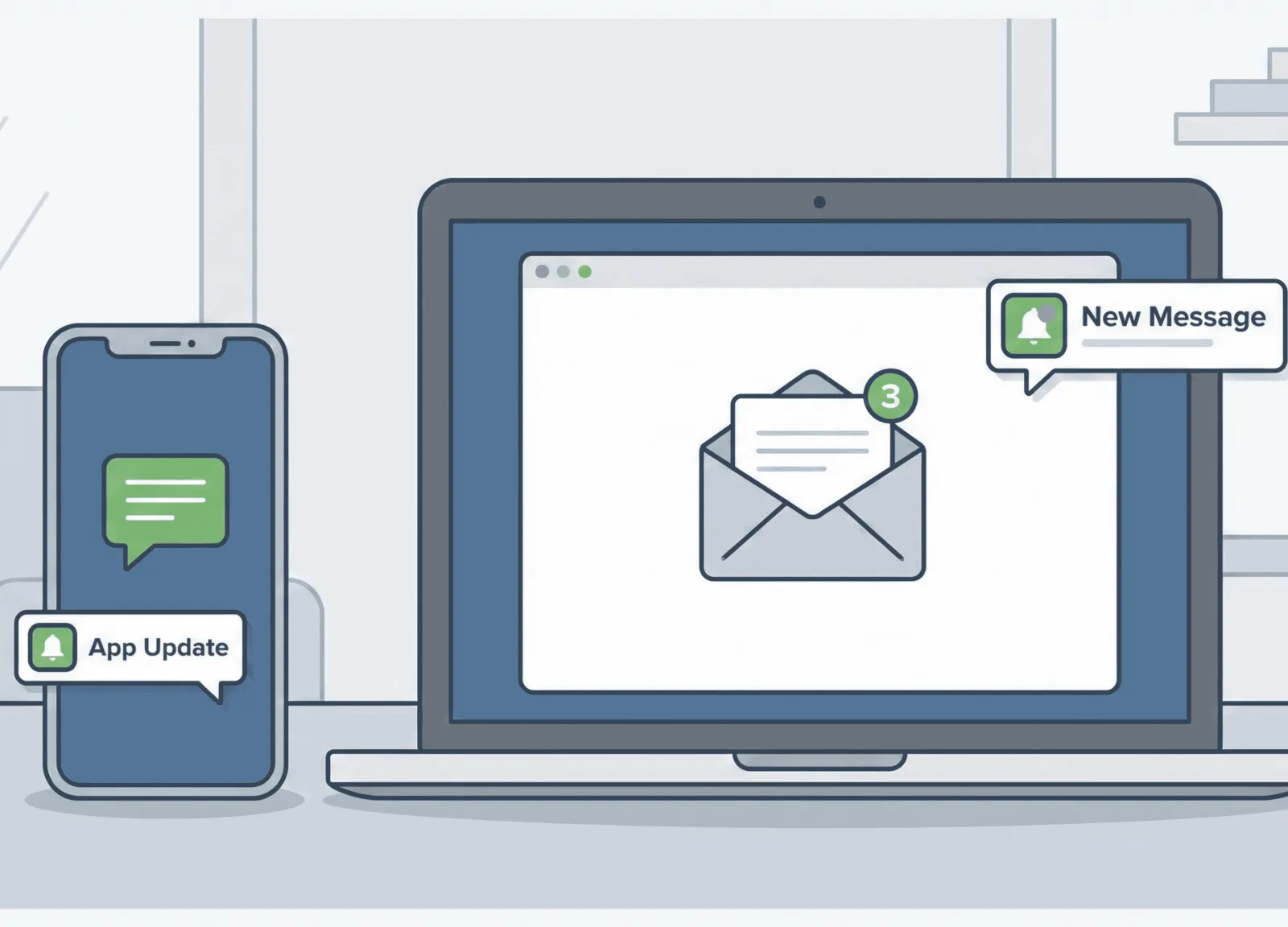
Businesses today have more ways than ever to connect with customers.
But choosing the right one, or using all three together can make the difference between being noticed and being ignored.
Here’s how email, SMS, and push notifications work, their advantages and disadvantages, and how to use them effectively across industries.
1. What Is Email Marketing?
Email marketing lets businesses send detailed messages directly to a customer’s inbox.
Advantages
- Great for storytelling and visuals
- Low cost and easy to automate
- Builds trust and long-term relationships
- Works well for newsletters, loyalty programs, and product updates
Disadvantages
- Slower engagement, people check email less often
- Risk of landing in spam folders
- Requires consistent design and maintenance
Best For
Businesses that share regular updates, education, or content, like retail, B2B, finance, or education.
2. What Is SMS Marketing?
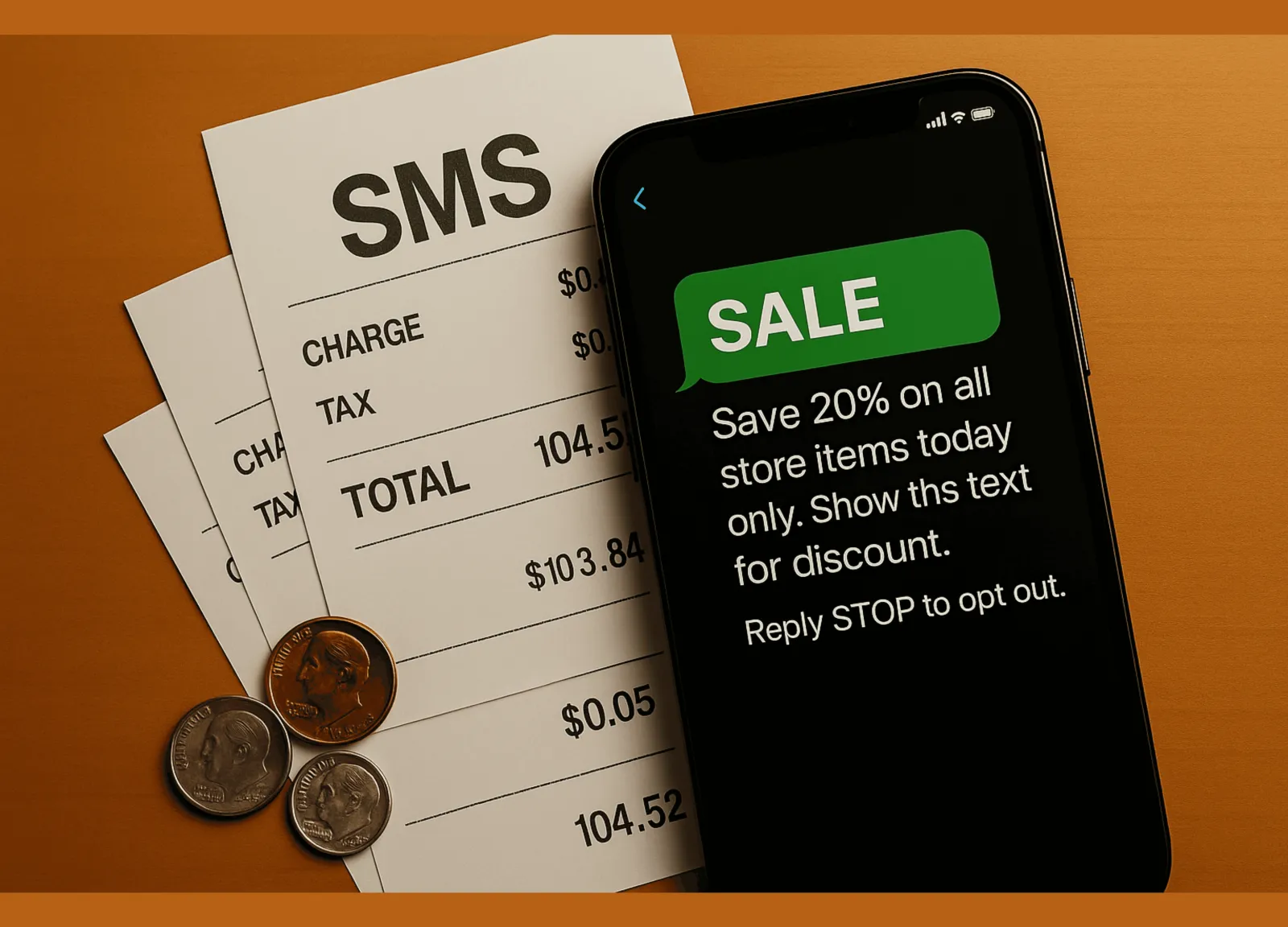
SMS marketing sends short text messages directly to customers’ phones.
Advantages
- Near-instant delivery and very high open rates (often above 90%)
- Perfect for time-sensitive offers
- Personal and direct
Disadvantages
- Cost per message can be higher
- Strict regulations and opt-in requirements
- Limited space for details or visuals
Best For
Businesses with frequent promotions or urgent updates, like e-commerce, food delivery, fitness, or service appointments.
3. What Are Push Notifications?
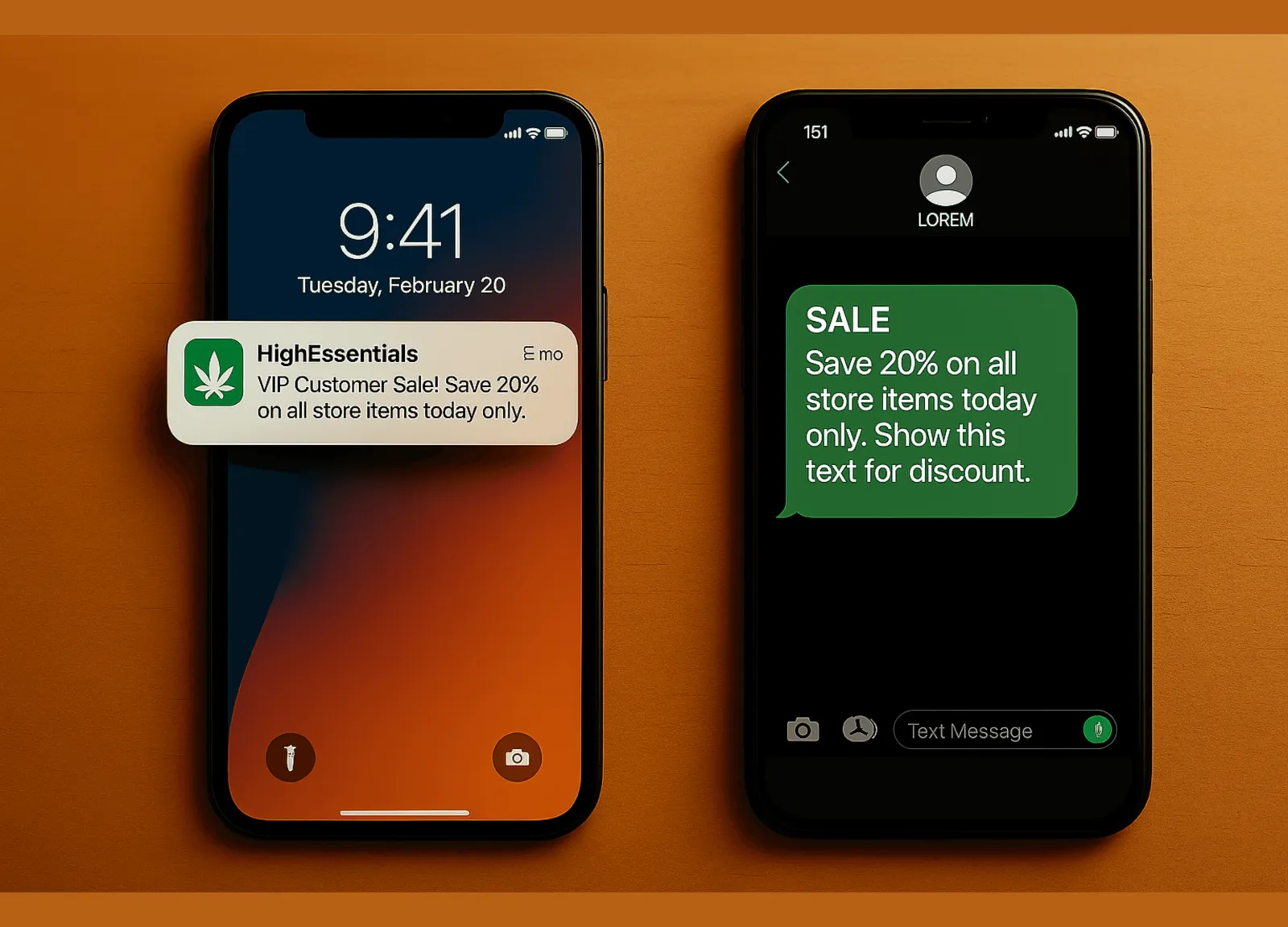
Push notifications are short messages that appear on a user’s phone or browser, even when they’re not inside your app or website.
Advantages
- Real-time, low-cost, and non-intrusive
- Excellent for reminders and re-engagement
- Ideal for app or web users who’ve opted in
- A compliant alternative to SMS for regulated industries such as cannabis
Disadvantages
- Only reach people who’ve enabled notifications
- Overuse can cause users to disable them
- Limited space for long messages
Best For
Brands with apps, web logins, or regulated restrictions, like retail, cannabis, finance, and delivery services.
4. How Each Channel Fits Different Audiences
Different age groups and buyer types prefer different kinds of communication.
Audience | Channel Preference | Why It Works |
|---|---|---|
Gen Z (18–25) | Push > SMS | Mobile-first, quick attention |
Millennials (26–40) | SMS > Email > Push | Value convenience and speed |
Gen X (41–55) | Email > SMS | Check inboxes daily, prefer context |
Boomers (55+) | Trust familiar formats | |
Frequent Shoppers | SMS + Push | React quickly to deals |
Business Clients | Expect detailed information |
5. How to Use Each Channel Separately
Email:
Use for newsletters, educational content, loyalty updates, and seasonal campaigns.
Send regularly but not too often, once or twice a week is enough.
SMS:
Send limited-time offers, order confirmations, appointment reminders, or flash sales.
Keep messages under 160 characters with one clear call-to-action.
Push Notifications:
Use for instant alerts, loyalty points, abandoned carts, or “back in stock” updates.
Send only to engaged users and allow easy opt-outs.
6. How to Use Email, SMS, and Push Together
A layered approach performs best. Here’s a simple example:
- Email - Introduce the offer: “Our weekend sale starts tomorrow.”
- Push Notification - Remind users when it’s live: “Your 20% discount is now active.”
- SMS - Close the sale: “Last few hours, shop before midnight!”
This sequence keeps customers informed without repeating the same message three times.
The key: use each channel to complement, not duplicate.
7. Which Channel Works Best for Each Industry
Industry | Channel That Works Best | Why |
|---|---|---|
Retail & E-commerce | SMS | Drives fast conversions and limited-time sales |
Hospitality & Travel | Push | Ideal for booking alerts and real-time updates |
Finance & Banking | Secure, compliant, and detailed | |
Healthcare | SMS | Appointment reminders and patient alerts |
Cannabis | Push | Fully compliant alternative to SMS promotions |
Food & Delivery | Push | Instant delivery status and order updates |
B2B / SaaS | Longer buying cycles and educational content |
8. Best Practices for Every Channel
For Email
- Keep subject lines short and clear
- Use visuals and bullet points
- Avoid spammy language
- Make unsubscribing easy
For SMS
- Always get clear opt-in consent
- Keep tone conversational and helpful
- Use personalization (“Hi Alex, your order is ready!”)
- Don’t send too many messages, 2-4 per month is plenty
For Push Notifications
- Send only when it’s relevant or time-sensitive
- Include action buttons (e.g., “View Deal,” “Check Status”)
- Avoid sending late at night
- Give users control to manage their preferences
9. How AI Can Help You Do It Better
AI tools can improve timing, personalization, and relevance.
They can:
- Predict when each customer is most likely to engage
- Choose which channel to use based on behavior
- Adjust messaging tone automatically
- Prevent over-messaging by learning user habits
This means every message feels timely and useful, not random or repetitive.
10. The Bottom Line
There’s no single “best” channel, only the right combination for your business and audience.
- Email builds trust and tells your story.
- SMS creates urgency and action.
- Push keeps your brand visible and compliant.
When used together, and supported by AI, they turn one-time buyers into long-term customers.
See Sticky in action.
Book a 30-minute demo. We’ll migrate your old platform for you — lists, templates, loyalty balances and all.
Book a demo